BeautyGlowHub · Skincare Guide
Why Does Sunscreen Pill?
If your sunscreen rolls into tiny flakes or little balls after moisturizer, your skincare routine may need a few adjustments—not a complete overhaul. Learn what causes pilling and how to help your products sit more smoothly.
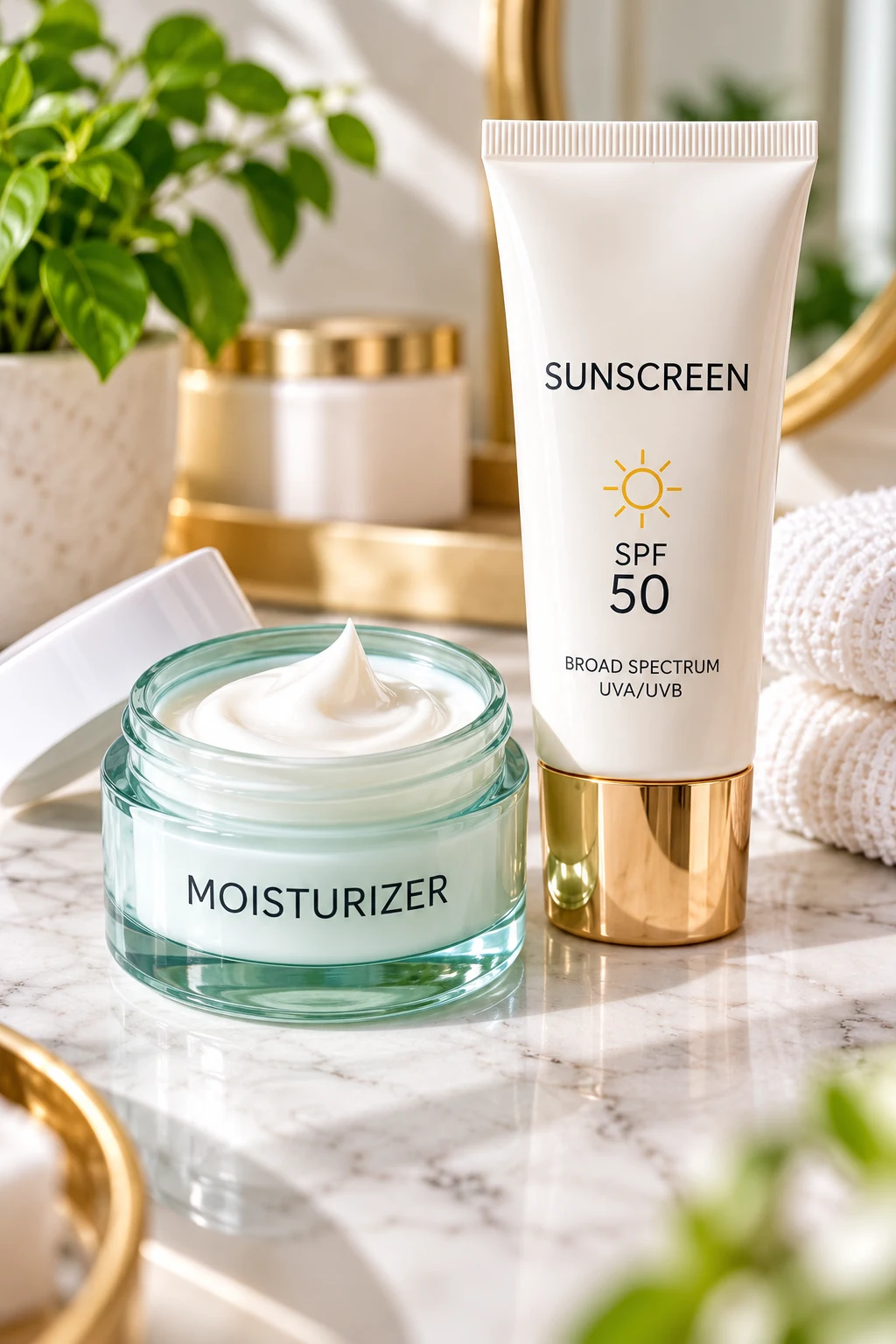
It can be frustrating to apply moisturizer, follow it with sunscreen, and then notice small white rolls forming on your skin. This is commonly called product pilling. It can happen when formulas interact, too much product is layered at once, or the skin is rubbed before the layers have settled.
The good news: you can often reduce pilling by changing how much you apply, giving each layer time to settle, and using a gentler application technique. If you are still building your routine, our guide to a skincare routine for beginners can help you understand the basics.
Quick Answer
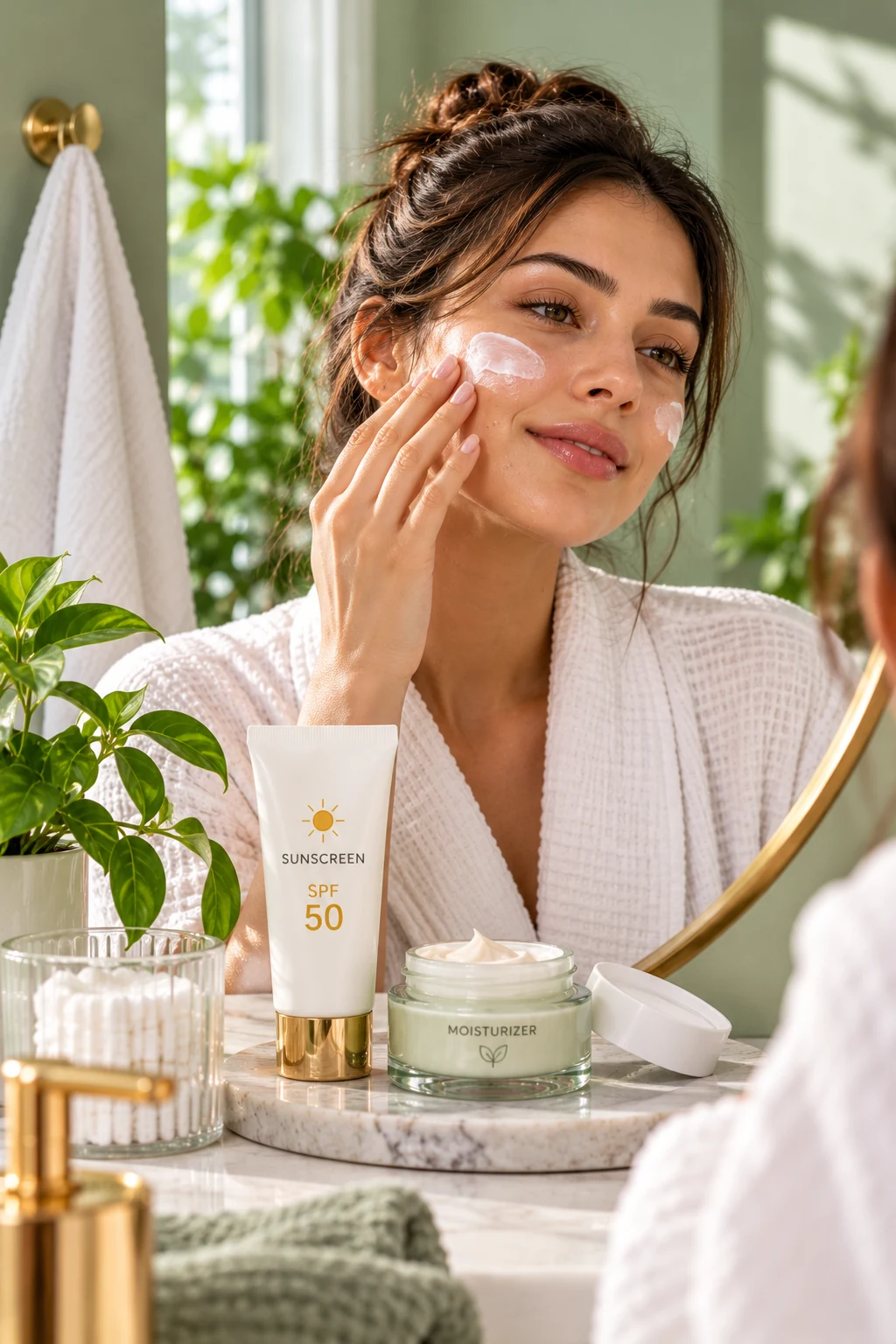
Sunscreen may pill over moisturizer when the layers have not settled, the formulas do not work well together, too much product is used, or the sunscreen is rubbed repeatedly over the skin. Apply thin, even layers, allow your moisturizer to settle, and gently spread sunscreen rather than vigorously rubbing it in.
What Is Sunscreen Pilling?
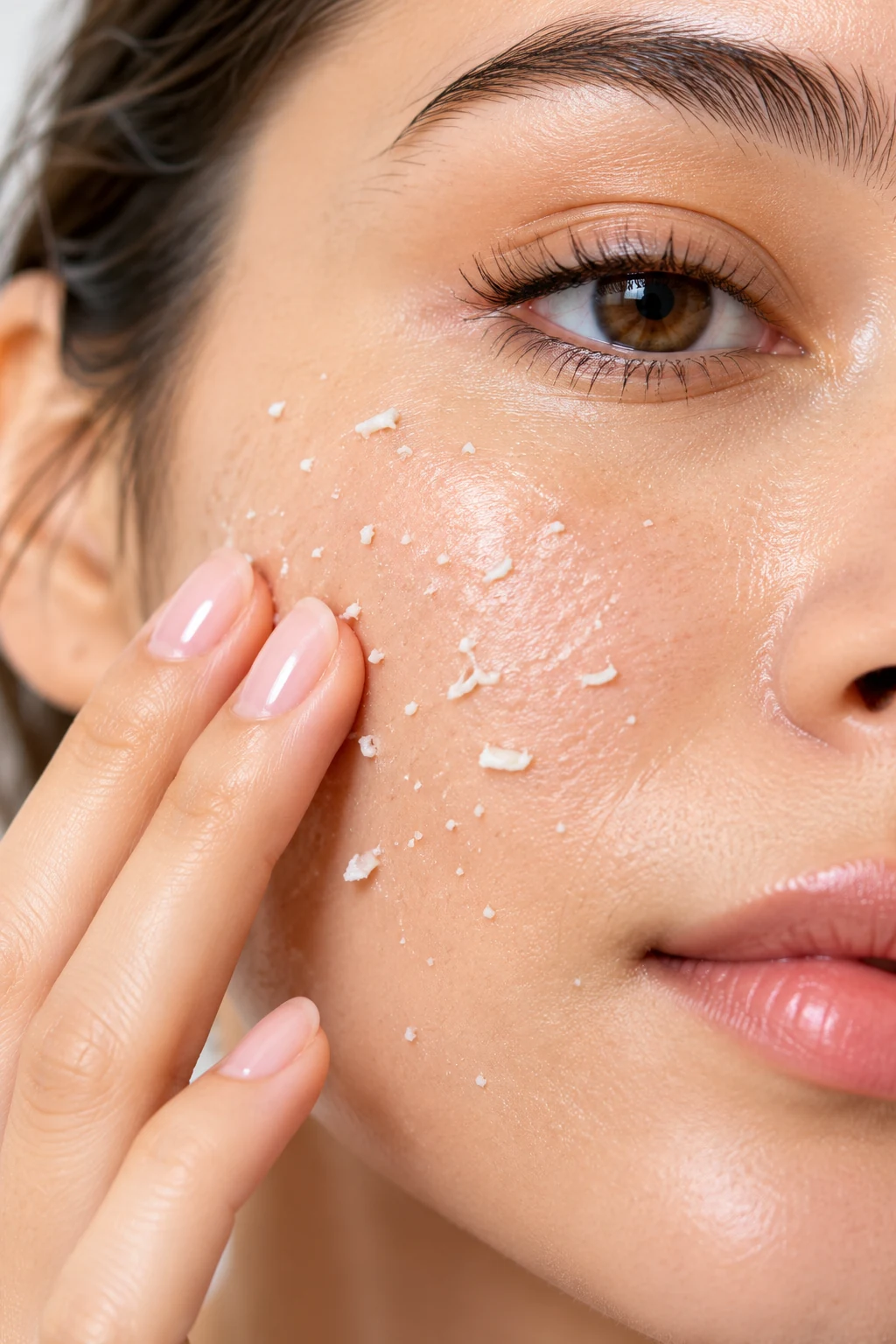
Pilling usually looks like tiny crumbs, rolls, or flakes that form as you spread or touch skincare. The residue may be white, clear, or tinted depending on the products you use. It often appears during application or when you lightly rub your face afterward.
Pilling is not automatically a sign that a sunscreen is ineffective, but visible rolling can make it harder to tell whether you have applied a smooth, even layer. Avoid repeatedly rubbing the area to remove every speck. If you cannot get an even layer, gently remove the rolled product and reapply sunscreen according to its label.
7 Causes of Sunscreen Pilling
1. Too Much Product
Thick layers of moisturizer, serum, primer, and sunscreen can build up and roll when rubbed together.
2. Not Enough Settling Time
Applying the next product immediately may move the layer underneath before it has settled.
3. Repeated Rubbing
Fast, forceful rubbing can gather product into little balls, especially when several layers are present.
4. Formula Interaction
Some combinations of film-forming agents, silicones, polymers, or rich textures may not layer smoothly together.
5. Too Many Layers
Using several serums, oils, creams, and a primer can make the routine unnecessarily heavy.
6. Dry or Textured Skin
Loose flakes can catch product and resemble pilling. Scrubbing can worsen irritation, so keep exfoliation gentle.
7. Primer or Makeup Underneath
Primer and foundation can disturb sunscreen if applied too soon or blended with repeated strokes.
How to Stop Sunscreen Pilling
Use a Simple Morning Routine
Start with gentle cleansing, then use only the serum or treatment you need, moisturizer if needed, and sunscreen. Temporarily leave out extra layers so you can identify the cause.
Apply Moisturizer in a Thin, Even Layer
Use an amount that comfortably covers your face without leaving a thick, slippery film. More product is not always better for layering.
Let Moisturizer Settle
Give moisturizer a little time to settle before sunscreen. There is no universal wait time for every formula; follow how the product behaves on your skin rather than relying on a strict timer.
Spread Sunscreen Gently and Evenly
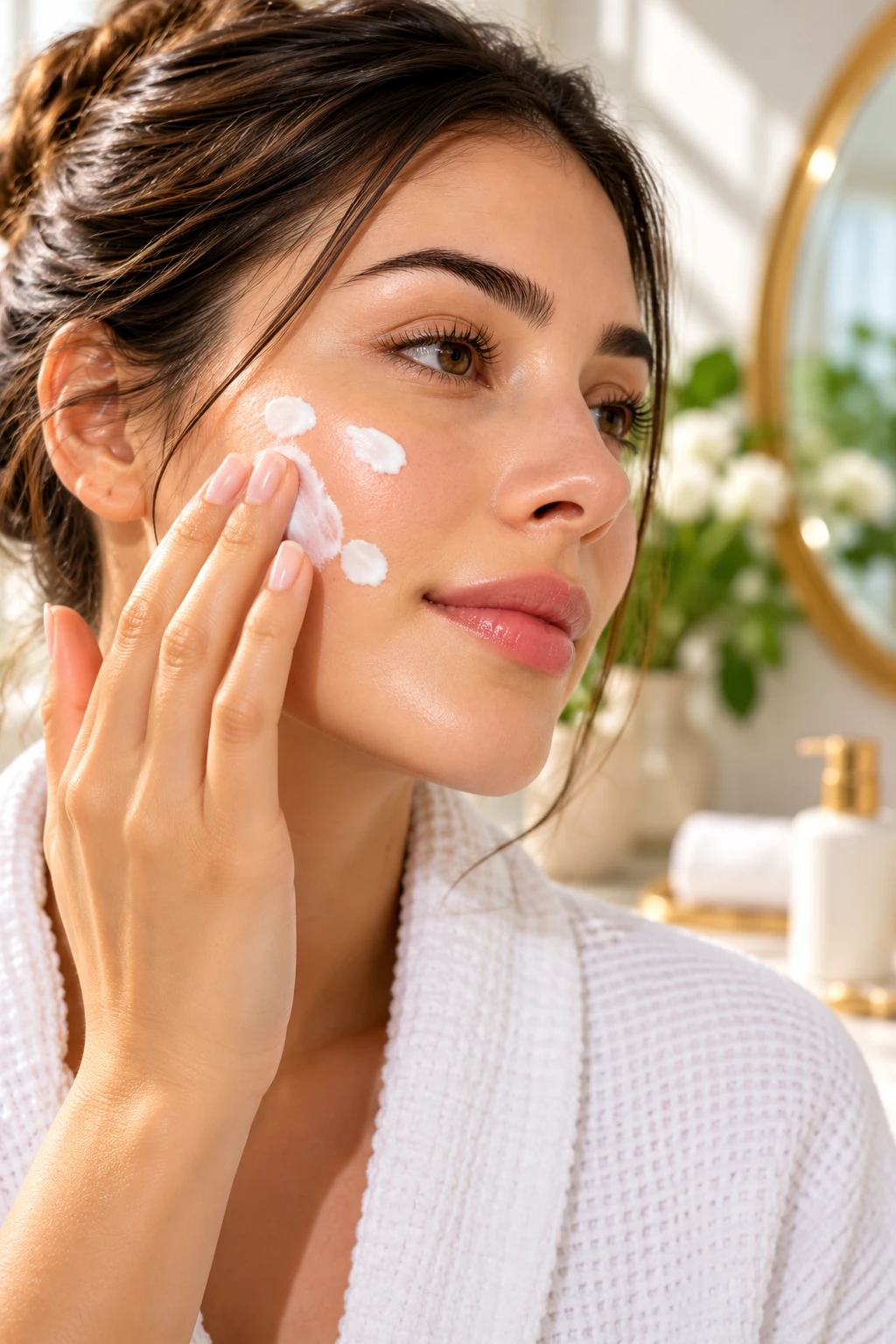
Use smooth, controlled strokes and avoid repeatedly rubbing the same area. Follow the sunscreen label and apply enough to cover exposed skin evenly.
Try a Different Moisturizer Texture
If pilling continues, test a lighter moisturizer or a different sunscreen-moisturizer pairing. Change one product at a time so you can see which adjustment makes a difference.
Keep Primer and Makeup for Later
Apply sunscreen before makeup. Let it form an even layer, then apply primer or foundation with light pressing or gentle strokes instead of vigorous blending.
Reapply Sunscreen Properly
Follow the product label for reapplication, especially outdoors or after sweating or swimming. If the existing layer has rolled off, do not simply ignore bare patches—gently correct the area and reapply evenly.
Quick Troubleshooting Checklist
- Remove one optional serum or primer for a few days.
- Use a thinner layer of moisturizer.
- Allow each layer to settle before applying the next.
- Use gentle, even strokes instead of vigorous rubbing.
- Test another product pairing if pilling persists.
Correct Skincare Layering Order
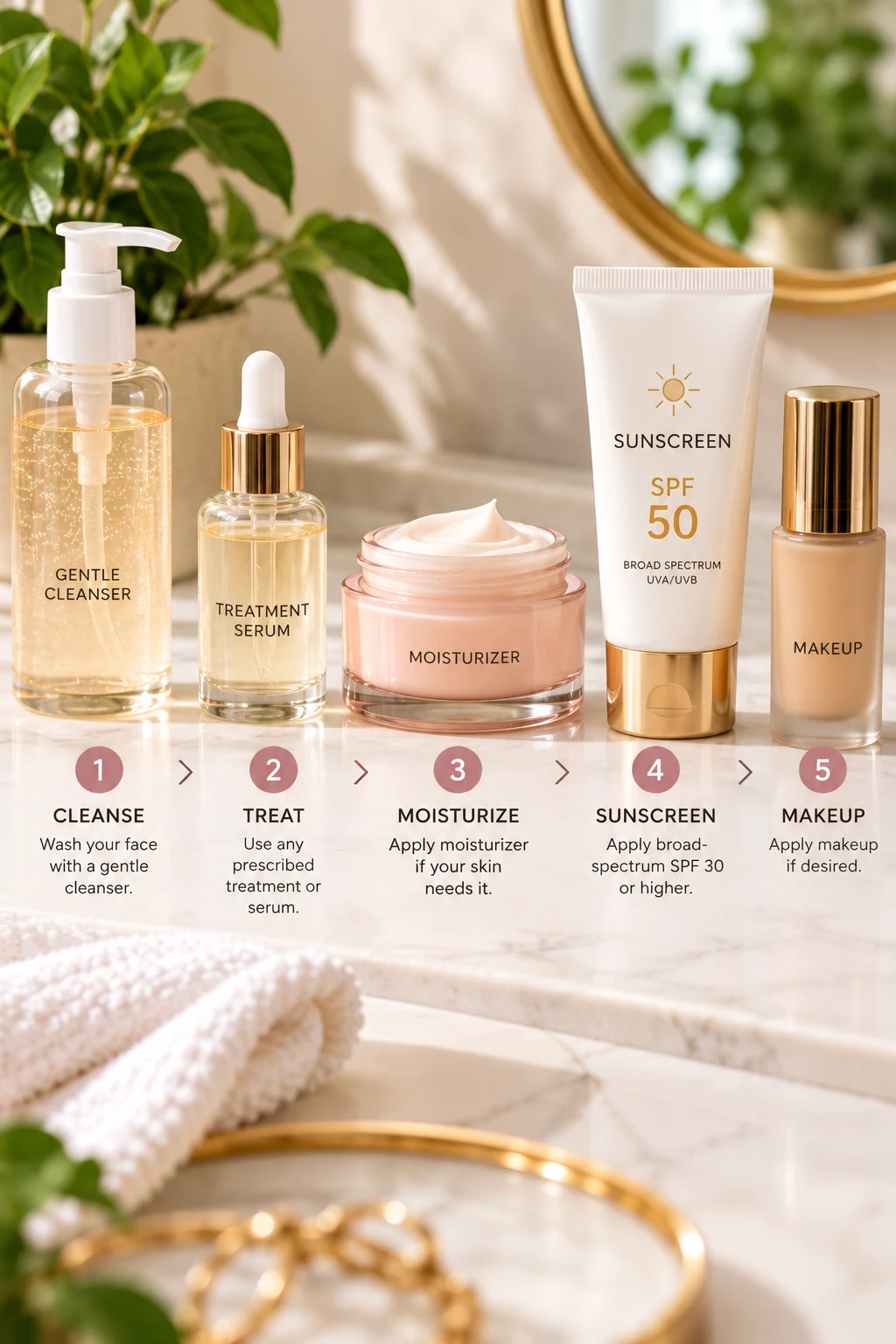
- Cleanser: Start with clean skin.
- Serum or treatment: Apply optional lightweight products according to their directions.
- Moisturizer: Use a comfortable, even layer if your skin needs it.
- Sunscreen: Apply broad-spectrum SPF 30 or higher as the final step of your morning skincare routine, following the label.
- Makeup: Apply after sunscreen has settled, using a gentle technique.
Some routines will need fewer steps. If your sunscreen is moisturizing enough for your skin, you may not need a separate moisturizer every morning. The goal is a routine that suits your skin and lets you apply sunscreen evenly and consistently. For more details, read our guide to the correct skincare routine order.
Sunscreen Pilling vs. Skin Flaking
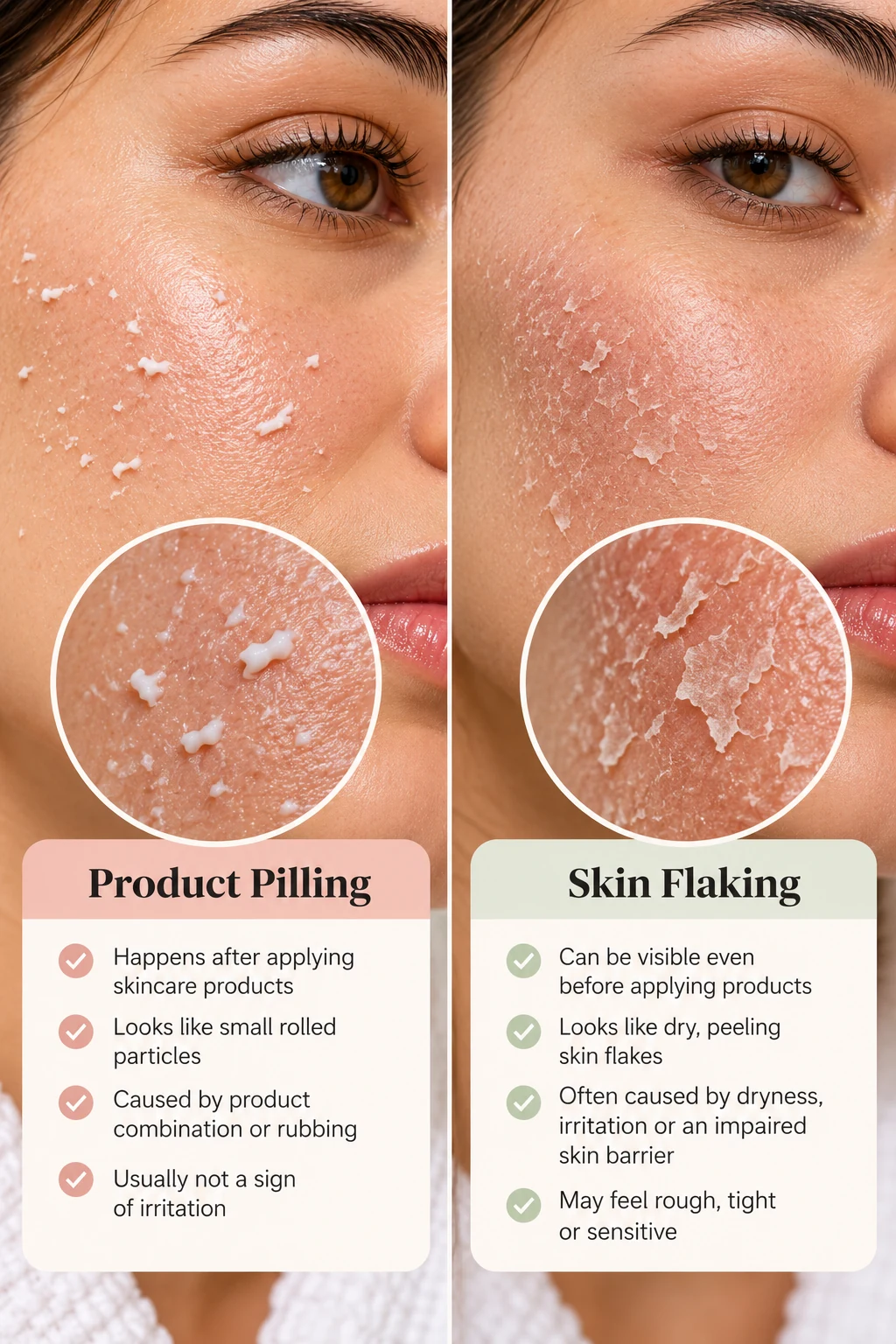
| Clue | Product Pilling | Skin Flaking |
|---|---|---|
| Appearance | Small rolls or crumbs that gather on the surface | Dry, peeling or lifted patches of skin |
| When it appears | Often while layering or rubbing products | May be visible before products are applied |
| What may help | Simplify layers and apply gently | Use gentle skincare and avoid harsh scrubbing |
If your skin is persistently red, painful, itchy, cracked, or peeling, stop products that seem to irritate it and consider asking a qualified healthcare professional for advice. Do not assume every flake is just product residue.
Frequently Asked Questions
Why Does My Sunscreen Pill Even When I Wait Between Layers?
Waiting may help, but it is not the only factor. The amount used, formula combination, skin texture, and application method can all contribute. Try simplifying the routine and changing one product at a time.
Should I Skip Moisturizer to Prevent Sunscreen Pilling?
Not necessarily. If your skin needs moisturizer, keep it in your routine and try a thinner layer or a different pairing. Some people find a moisturizing sunscreen comfortable on its own, but skin needs vary.
Does Sunscreen Pilling Mean the Sunscreen Does Not Work?
Not always, but pilling can make an even application harder to achieve. If the product visibly rolls off or leaves gaps, gently correct the area and reapply as directed on the label.
Is It Okay to Rub Sunscreen Until the Flakes Disappear?
Avoid vigorous rubbing, which can gather more product and irritate skin. Use gentle strokes; if the layer will not settle evenly, remove the rolled residue from the affected area and reapply.
Can I Use Primer Over Sunscreen?
Yes, if the products work well together. Let sunscreen settle first, then apply primer gently. Avoid mixing sunscreen directly into moisturizer or foundation, because this may interfere with even coverage.
The Takeaway
To reduce sunscreen pilling over moisturizer, keep your routine simple, apply thin and even layers, let products settle, and use gentle application strokes. If pilling continues, test a different moisturizer-sunscreen combination while keeping daily sun protection a priority.
Explore More Skincare Guides
Want more practical tips for your everyday routine? Visit our skincare guides for more skincare and beauty advice.
Helpful References
For sun-protection basics, choose a broad-spectrum sunscreen with SPF 30 or higher and follow its directions for use and reapplication. These resources offer general guidance:
This article is for general educational purposes and is not a personal medical diagnosis. Skin responses vary; seek professional advice for persistent irritation or unexplained peeling.