BEAUTY • SKINCARE • SKIN BARRIER
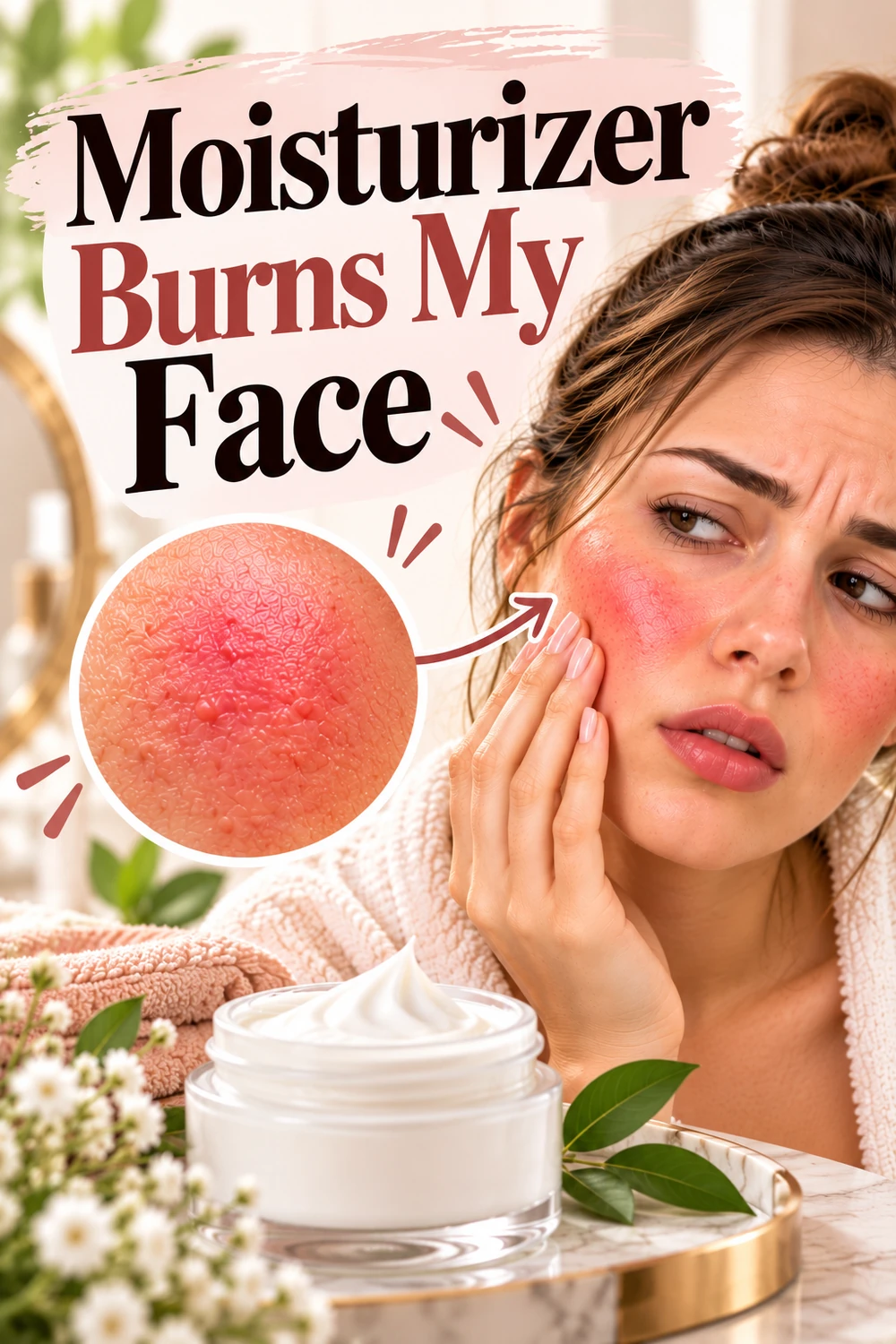
Moisturizer Burns My Face
If your face stings or burns after applying moisturizer, your skin may be irritated or your skin barrier may need extra care. Learn what can cause the burning, what to do next, and how to choose a gentler routine.
If moisturizer causes burning, stop using the suspected product for now. Keep your routine simple, avoid potentially irritating products, and seek medical advice if symptoms are severe, persistent, or getting worse.
Why Does Moisturizer Burn Your Face?
A moisturizer should generally feel comfortable on your skin. If it causes stinging, burning, itching, or redness, something may be irritating your skin or triggering a reaction.
The cause is not always the moisturizer itself. Skin that is already dry, inflamed, or sensitive may react to products it previously tolerated. The ingredients, the condition of your skin, and other products in your routine can all play a role.
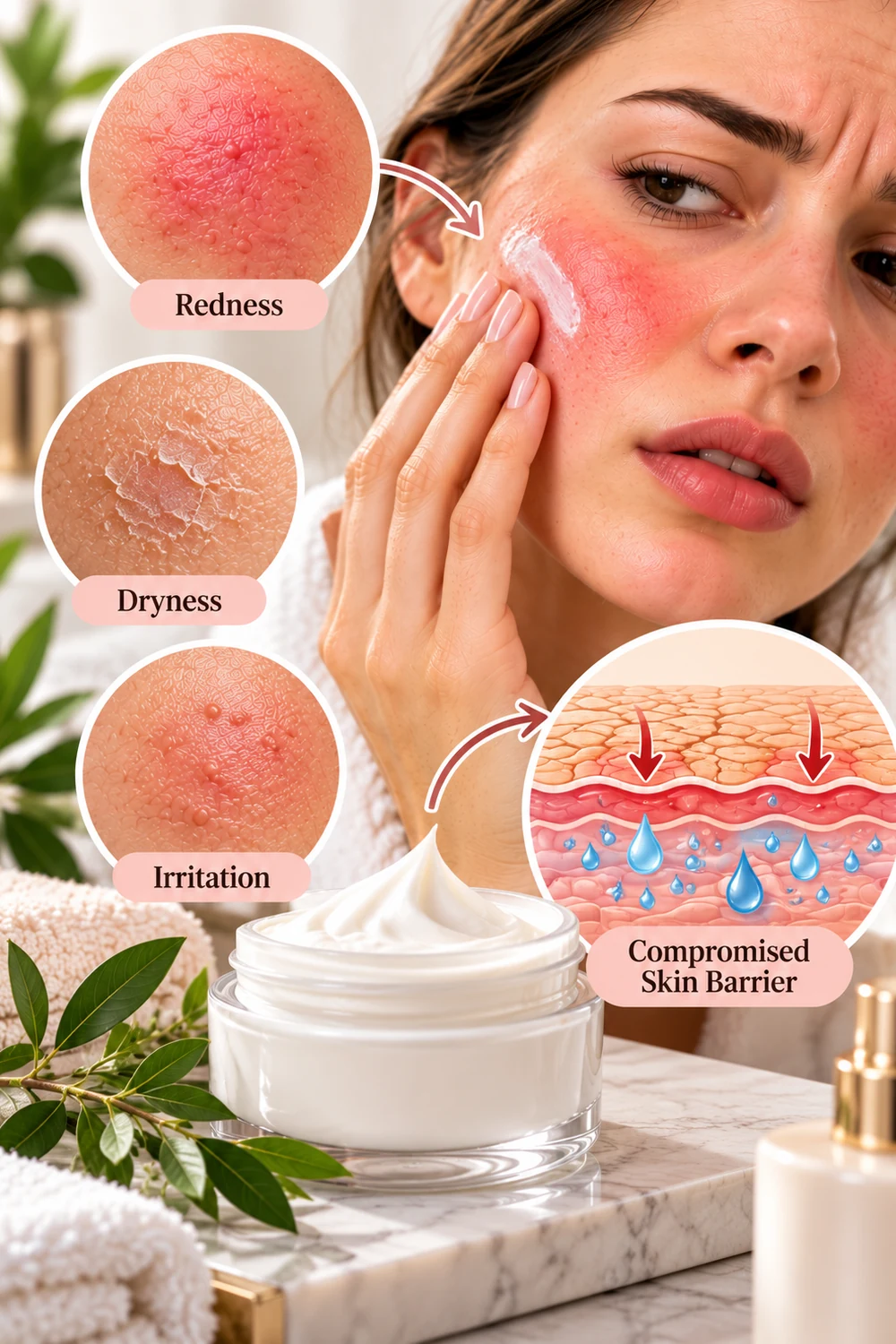
A Weakened Skin Barrier
Your skin barrier helps retain moisture and protect your skin from external irritants. Frequent exfoliation, harsh cleansers, overuse of active ingredients, and very dry skin can contribute to irritation. When the barrier is compromised, moisturizer may sting on application.
Fragrance or Other Irritating Ingredients
Fragrance and certain skincare ingredients can irritate some people. A product may also cause allergic contact dermatitis. A reaction can develop even if you have used a product before without problems.
Using Too Many Active Products
Combining exfoliating acids, retinoids, acne treatments, or other active products may irritate your skin, especially if you introduce them too quickly or use them too often. Your overall routine matters, not just one moisturizer.
Dryness or an Existing Skin Condition
Very dry or inflamed skin can feel sensitive when products are applied. Conditions such as eczema or contact dermatitis may also cause burning, redness, itching, or flaking. Persistent symptoms deserve professional assessment.
Signs Your Skin May Be Irritated
Burning is only one possible sign of irritation. Pay attention to how your skin feels and looks after applying a product.
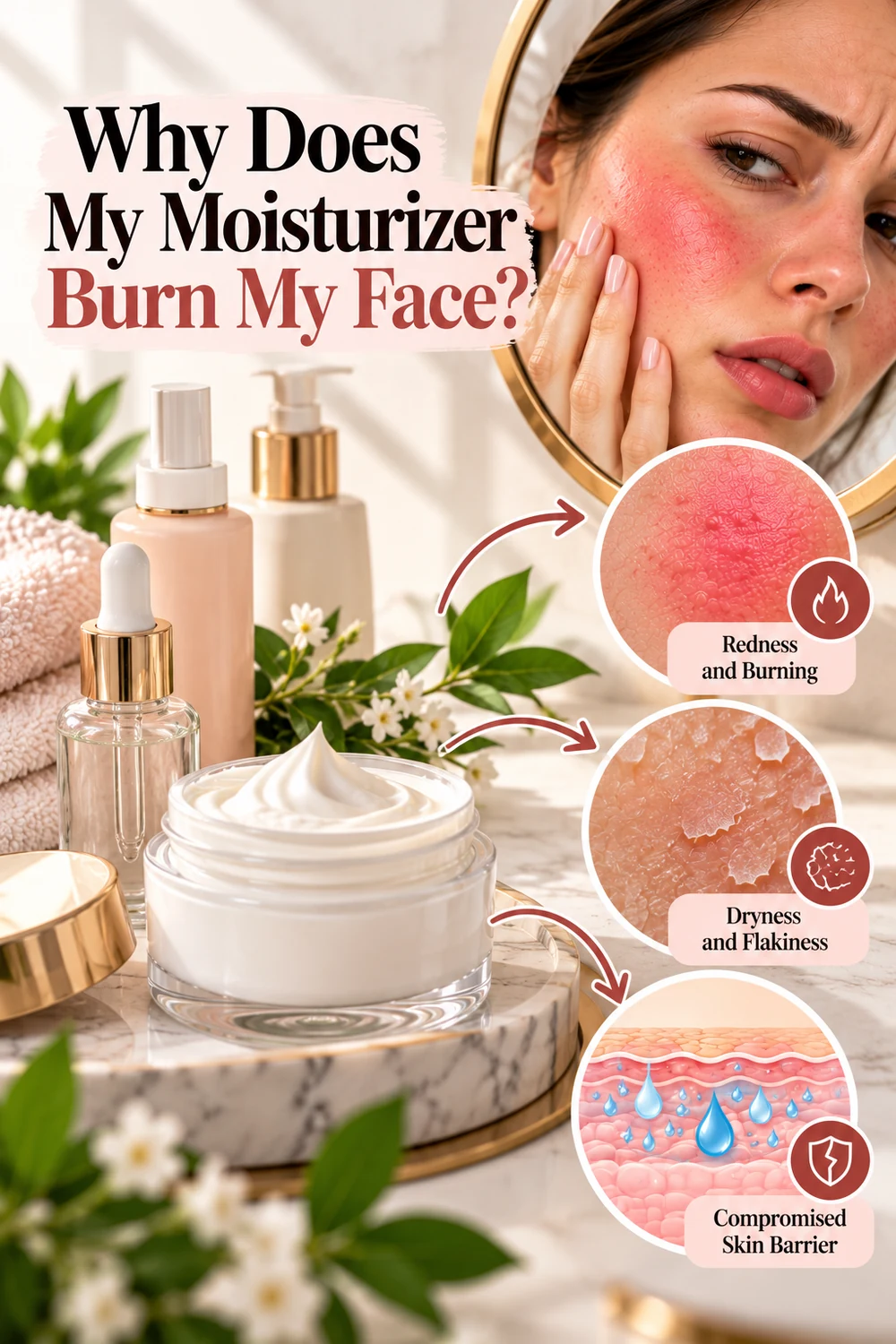
- Stinging or burning that begins after application
- Redness, warmth, or increased sensitivity
- Dry, tight, rough, or flaky patches
- Itching, rash, or small irritated areas
- Symptoms that continue or become worse after using the product
Do not assume every burning sensation is simply your skin adjusting. A strong, persistent, or worsening reaction is a reason to stop using the suspected product and seek appropriate advice.
What to Do When Moisturizer Burns Your Face
If your moisturizer causes burning, focus on calming your routine rather than adding more products to fix the reaction.
-
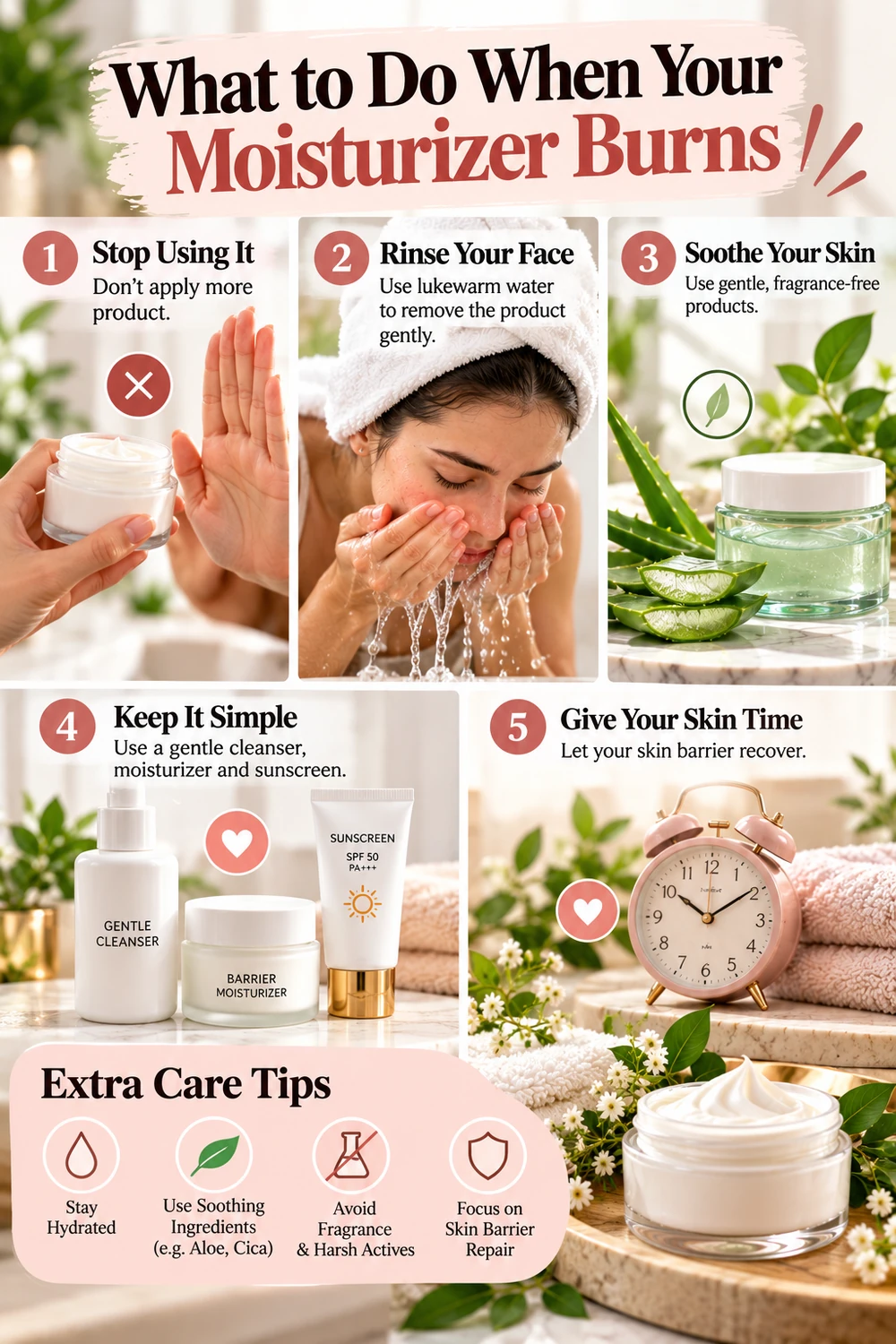
1
Stop Using the Suspected Moisturizer
Do not keep applying a product that causes burning to see whether your skin gets used to it. Pause the product and avoid reapplying it while your skin is irritated.
-
2
Rinse Gently if Needed
If the product is still on your skin and is causing discomfort, gently rinse it off with lukewarm water. Avoid hot water, scrubbing, rough washcloths, and harsh cleansers.
-
3
Pause Potentially Irritating Products
Temporarily avoid exfoliating acids, retinoids, scrubs, strong acne treatments, and fragranced products if they may be contributing to irritation. Do not introduce several new products at once.
-
4
Keep Your Routine Simple
Use gentle, familiar products that do not cause discomfort. If you cannot tolerate your usual moisturizer, ask a pharmacist or healthcare professional for guidance rather than repeatedly testing products on irritated skin.
-
5
Protect Your Skin While It Recovers
Avoid unnecessary sun exposure and use shade, a hat, and a sunscreen you can comfortably tolerate. If sunscreen stings or your skin is reacting to multiple products, seek professional advice about suitable options.
Ingredients That May Irritate Sensitive Skin
Different people react to different ingredients. An ingredient that works well for one person may cause irritation or an allergic reaction in another.
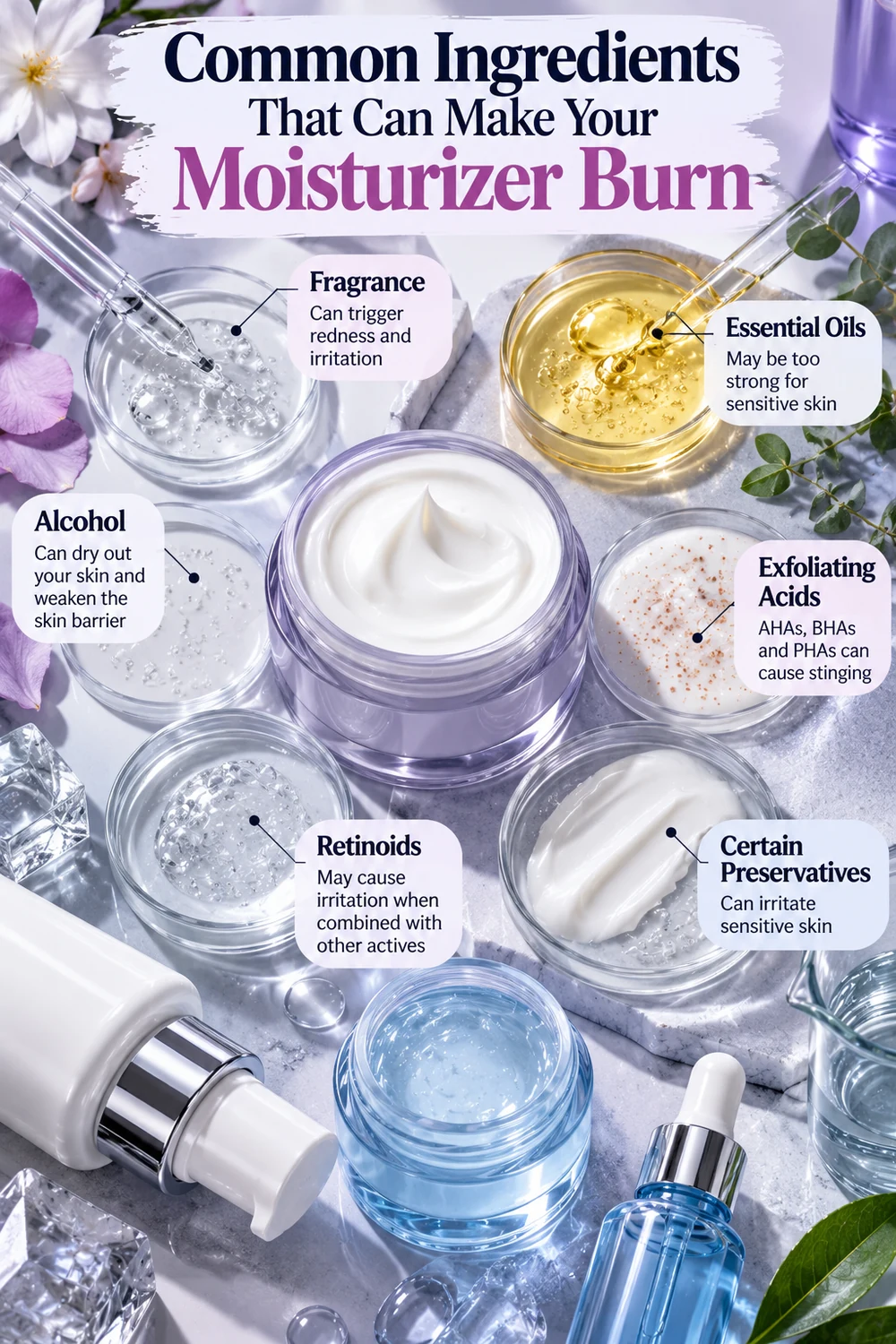
Fragrance: Fragrance ingredients can trigger irritation or allergic contact dermatitis in some people.
Exfoliating acids: AHAs and BHAs may cause irritation, particularly when overused or applied to already sensitive skin.
Retinoids: Retinol and other retinoids can cause dryness, redness, peeling, and irritation, especially when first introduced.
Benzoyl peroxide: This acne treatment may cause dryness and irritation in some users.
Essential oils and botanical extracts: Plant-derived ingredients are not automatically gentle and may trigger reactions in susceptible individuals.
Do not assume that every ingredient listed above is harmful or that one specific ingredient is definitely responsible. The pattern of your symptoms, the product formula, and your skin history all matter. A dermatologist can help assess recurring reactions and, when appropriate, investigate possible allergies.
How to Choose a Gentle Moisturizer
Once your skin is comfortable again, choose a moisturizer based on your skin’s needs and how well you tolerate its formula. No product is guaranteed to suit everyone.
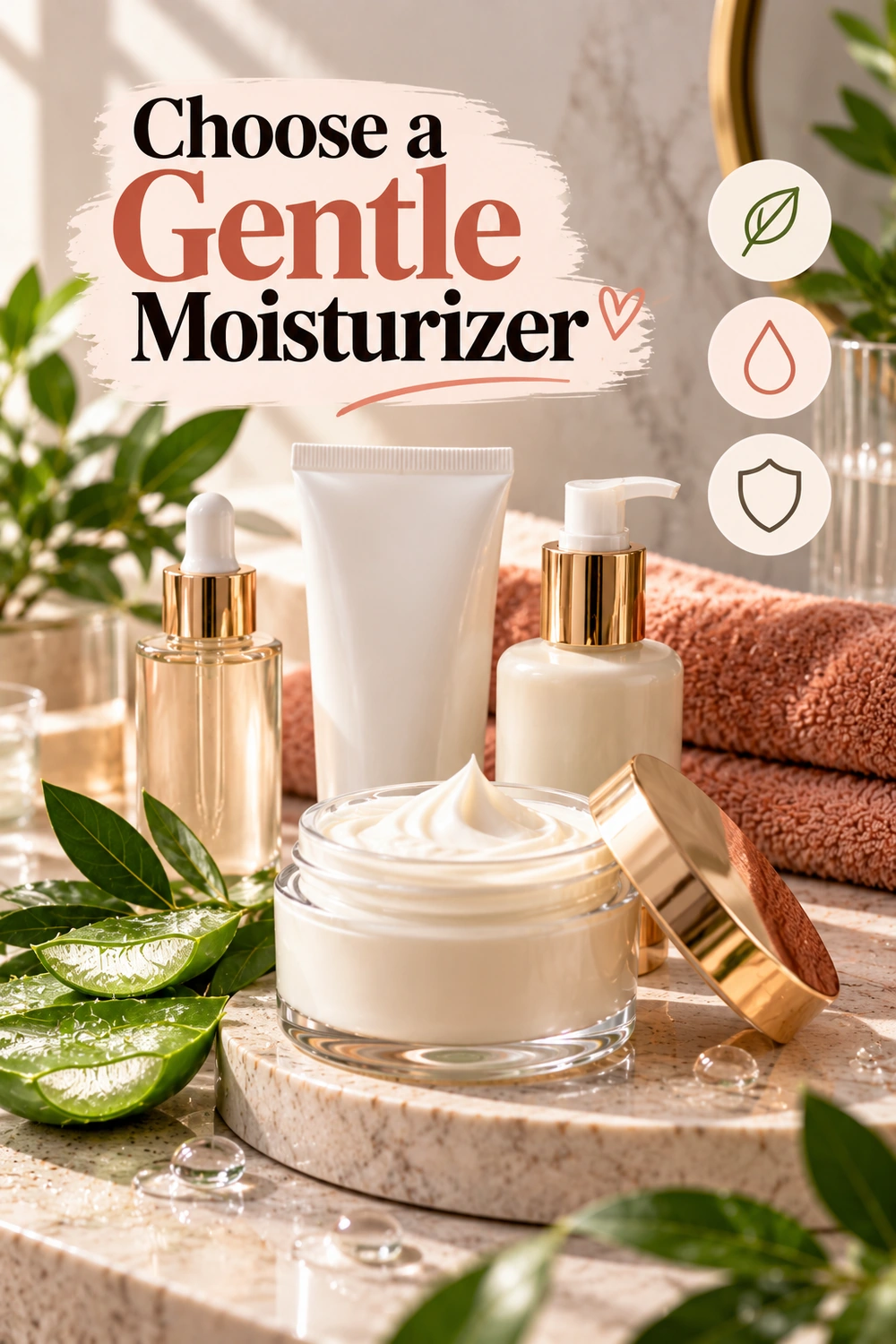
- Consider fragrance-free products if fragrance may be a trigger.
- Look for a formula designed for sensitive or dry skin.
- Choose a texture that feels comfortable rather than relying only on whether it is a gel or cream.
- Check the full ingredient list, especially if you have reacted to products before.
- Introduce one new product at a time so potential triggers are easier to identify.
- Follow the product’s directions and stop using it if a reaction develops.
Labels such as “gentle” or “for sensitive skin” do not guarantee that a product will suit everyone. If you have repeated reactions, ask a dermatologist or another qualified healthcare professional for personalized guidance.
When Should You Seek Medical Help?
Stop using the suspected product and seek medical advice if burning continues, keeps returning, or is accompanied by a persistent rash, swelling, cracking, or significant discomfort.
Seek urgent medical care for severe pain, blistering, rapidly worsening swelling, or a significant reaction around the eyes. If you experience difficulty breathing or swelling of the lips, tongue, or throat, seek emergency medical help immediately.
A healthcare professional can help determine whether the problem is irritation, an allergic reaction, or another skin condition. Do not attempt to diagnose a persistent reaction by repeatedly testing the suspected product.
Trusted Medical Resources
Frequently Asked Questions
Find quick answers to common questions about moisturizer-related burning and sensitive skin.
Why does my face burn after applying moisturizer?
Possible causes include a weakened skin barrier, dryness, irritating ingredients, an allergic reaction, or an existing skin condition. Stop using the suspected product if it causes burning, especially if symptoms persist or worsen.
Should I wash off moisturizer if it burns?
If the moisturizer is causing discomfort and remains on your skin, gently rinse it off with lukewarm water. Avoid scrubbing or using harsh cleansers, and do not reapply the suspected product while your skin is irritated.
Is it normal for moisturizer to sting on sensitive skin?
Sensitive or irritated skin can sting when products are applied, but burning should not automatically be considered normal. Persistent, strong, or worsening discomfort may indicate irritation or a reaction that needs assessment.
Can a damaged skin barrier make moisturizer burn?
Yes. A compromised skin barrier can make skin more vulnerable to stinging and irritation. Over-exfoliation, harsh cleansers, dryness, and some active skincare ingredients may contribute to barrier irritation.
Which moisturizer is best when my face is irritated?
A simple, fragrance-free moisturizer formulated for sensitive skin may be a reasonable option, but no formula suits everyone. If even gentle products cause burning, seek advice from a healthcare professional before trying more products.
When should I see a dermatologist?
Seek professional advice if symptoms persist, repeatedly return, or include a significant rash, swelling, cracking, or pain. Severe reactions or breathing difficulty require urgent or emergency care.
Medical Disclaimer: This article is for general educational purposes only and does not replace individual medical advice, diagnosis, or treatment.